
Free U.S. Shipping on Orders over $50 - DAILY WORLDWIDE SHIPPING
FOR ALL SUBSCRIBERS

Last Updated: October 26, 2026
Quick Summary
You can spot fake retro gaming sites by checking domain age, a real physical address and phone number, clear return policies, and independent reviews spread over time. A store demanding gift card, wire, or crypto payment only is a hard stop, and three or more red flags at once means walk away.
Retro game prices have climbed for years, and that money has pulled in a crowd of scammers.
Here's the hard part: most of these storefronts vanish before anyone can chase them. The site goes dark, the email bounces, and your money is gone.
Below, we'll show you exactly how to vet a store, read the red flags, and check a cartridge before you pay.
A legit game store gives you a real business identity, clear policies, and a way to reach a human. If any of those three are missing, slow down.
Start with the boring stuff. It catches more scams than any other step.
Type the store's name plus "reviews" or "scam" into a search engine. A real shop usually has years of chatter behind it, good and bad.
Then check the contact page. You want a physical address, a phone number, and an email that isn't a free webmail account.
Watch the domain age too. Many scam sites are weeks old with a polished look.
Scroll to the returns page and read it word for word. Scam sites often hide behind vague language like "all sales final" buried in small print.
A real store spells out the window, the condition requirements, and who pays return shipping.
FTC guidance on online shopping and scam sites
Some warning signs are loud enough that you should close the tab. But a list of red flags only helps if you know how to weigh them.
One red flag might be nothing. Three at once is a pattern. The trick is to score each flag as you go, if you're tallying three or more before checkout, walk away regardless of how good the deal looks.
Run this in order before you enter payment details. It takes about five minutes and catches most fake storefronts:
If any step fails, stop. You don't need to find a reason to trust a store; the store needs to earn it.
FTC guidance on online shopping and scam sites
Here are the warning signs worth acting on, what each one signals, and how to confirm it.
| Red flag | What it signals | How to confirm |
|---|---|---|
| Prices far below market | Bait pricing | Check sold listings, not asking prices |
| Stock photos only | No proof the item exists | Ask for a photo with handwritten date |
| Pressure tactics | Manufactured urgency | Reload page twice; timer resets means fake |
| No reviews anywhere | No track record | Search store name plus reviews and scam |
| Gift card, wire, or crypto only | Hard-to-reverse payment | Look for normal card checkout |
| Broken English, copy-pasted descriptions | Rushed scam site | Paste description into search engine |
| No social presence | Zero track record | Check when accounts were created |
A fake cartridge usually shows itself in the details: the shell, the screws, the label, and the board inside. Bootleg and reproduction carts are everywhere now, so knowing what to look for matters.
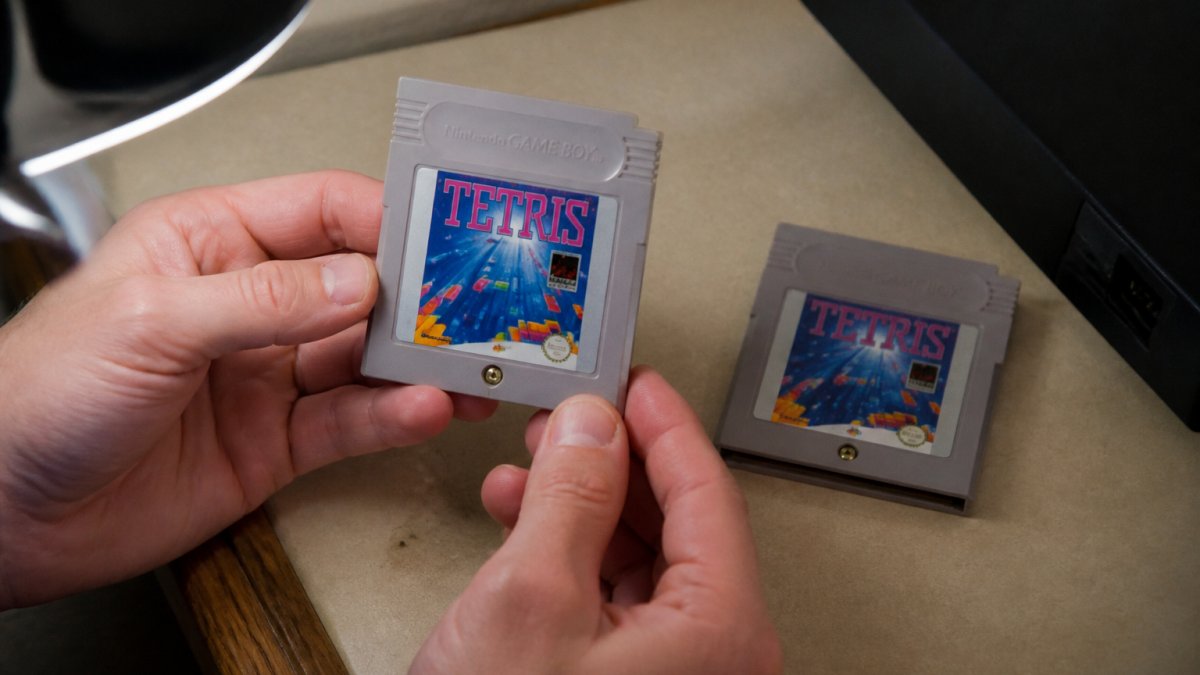
Start with the plastic. Authentic shells have clean molding, even texture, and no sharp seams. Cheap reproduction shells often feel lighter and show rough edges.
Then look at the screws. Original Nintendo carts use a special security bit, not a standard Phillips head.
Super Mario Bros & Battle City Sega Genesis Repro Game Cart →
The label is the next giveaway. Real labels have crisp printing, correct fonts, and proper colors. Fakes often have blurry text, wrong shades, or a label that peels at the corners.
If you can open the cart, do it. The circuit board tells the truth.
Look for the manufacturer markings and a serial number stamped on the board. Authentic boards have clean solder joints and a proper chip layout. Reproductions often use blob chips, messy solder, and boards with no markings at all.
Compare it to a known authentic copy if you have one. Side by side, the differences jump out fast.
Verification is a checklist, not a gut feeling. For a checklist on verifying refurbished console quality, see How to Verify Refurbished Console Quality. Run it every time, even when the seller seems solid.
CISA guidance on protecting personal data online
Most guides stop at "use a credit card." That's the right instinct, but the details are where people actually get burned. Here's how payment and data safety work in practice on retro storefronts.
Pay with a credit card or a payment service that offers buyer protection. The reason is mechanical: card issuers and major payment platforms give you a dispute window after the charge posts, and they can reverse funds if the seller can't prove delivery.
A common pattern: a fake store offers a "discount" for paying off-platform by wire or gift card. That discount is the scam. A legitimate seller doesn't need to route you around the checkout system.
A real store needs your name, shipping address, and payment details. That's it. It should never ask for:
If any of those come up, it's a scam, full stop. Legitimate processors handle verification on their own secure pages, not through chat or email.
Fake retro sites often follow up with phishing. After you order, you might get an email or text claiming there's a "shipping problem" and asking you to click a link and re-enter payment details. Check the sender address carefully, scammers spoof store names, and go to the store's site directly rather than through the link. A real store's order updates appear in your account, not only in a message pushing you to a new page.
Screenshot the listing, the checkout confirmation, and any chat with the seller. Save confirmation emails and tracking numbers. If something goes wrong, that paper trail is your case with your card issuer or payment provider, and the stronger your documentation, the smoother the dispute.
CISA guidance on protecting personal data online
Act fast. The sooner you move, the better your odds of getting money back.
Researchers publishing in Entertainment Computing on retrogaming communities have described how tight-knit these collector groups are. That community is your best early-warning system, so use it.
The safest path is buying from a store you can actually hold accountable. We also offer cartridge battery replacement and console repair services so your gear keeps working long after it lands.
Want to skip the scam hunt entirely? For a concrete guide to purchasing a console with games included, see How to Buy a Game Boy Advance With Games. Browse our reproduction game carts and refurbished systems to get started.

Start with the basics: a working phone number, a real business address, and a returns policy written in plain language. Check that the site lists a warranty and honors it. Look for reviews on independent platforms, not just testimonials on the store's own page. A legitimate retro game seller will answer questions about condition, refurbishment, and shipping before you buy. If the only contact is a web form and the about page is vague, treat it as a warning sign.
Watch for prices far below market value, stock photos instead of real photos of the actual item, and pressure tactics like countdown timers. Fake sites often have broken links, poor grammar, and no physical address. They may ask for payment by gift card, wire transfer, or cryptocurrency, which offer no buyer protection. If a retro game seller red flag list includes any of these, close the tab and buy elsewhere.
Compare the shell, label, and board to a known authentic copy. Fake cartridges often have wrong screw types, mismatched label printing, or a board that does not match the game. On Game Boy and Nintendo 64 carts, check the Nintendo logo and the serial number stamp. Reproduction carts are common, so ask the seller directly whether the item is original or a repro. If they dodge the question, walk away.
Stop using the item and document everything: photos of the cartridge, the packaging, and the listing. Contact the seller in writing and request a return. If they refuse, open a dispute with your payment provider, such as your credit card company or PayPal. Report the seller to the platform where you found them. Keep all messages. Buying with a credit card gives you the strongest chargeback rights if a retro game seller sends a fake.
The retro market rewards careful buyers. Vet every store, check every cart, and pay smart. Get started with Retro Gaming of Denver and shop by popular retro systems with confidence.


{"one"=>"Seleccione 2 o 3 artículos para comparar", "other"=>"{{ count }} de 3 artículos seleccionados"}
Seleccione el primer artículo para comparar
Seleccione el segundo artículo para comparar
Seleccione el tercer elemento para comparar

Dejar un comentario