
Free U.S. Shipping on Orders over $50 - DAILY WORLDWIDE SHIPPING
FOR ALL SUBSCRIBERS

Last Updated: October 30, 2026
Quick Summary
A retro console warranty only protects your gear if it treats age-related component failure as a covered defect rather than pre-existing wear and tear. One year is the practical baseline term, and you should confirm in writing that recapping or battery replacement won't void the plan.
That's the core tension in retro collecting. You're buying hardware that outlived its own manufacturer's support by decades. When something dies, there's no official lifeline.
A retro console warranty fills that gap, but only if you understand what you're actually buying. Most plans sold today were designed for modern devices.
Below, we'll break down coverage, exclusions, claim pitfalls, and how to judge whether a plan is worth your money.
A console warranty is a written promise to repair or replace your hardware within a set period if it fails under covered conditions.
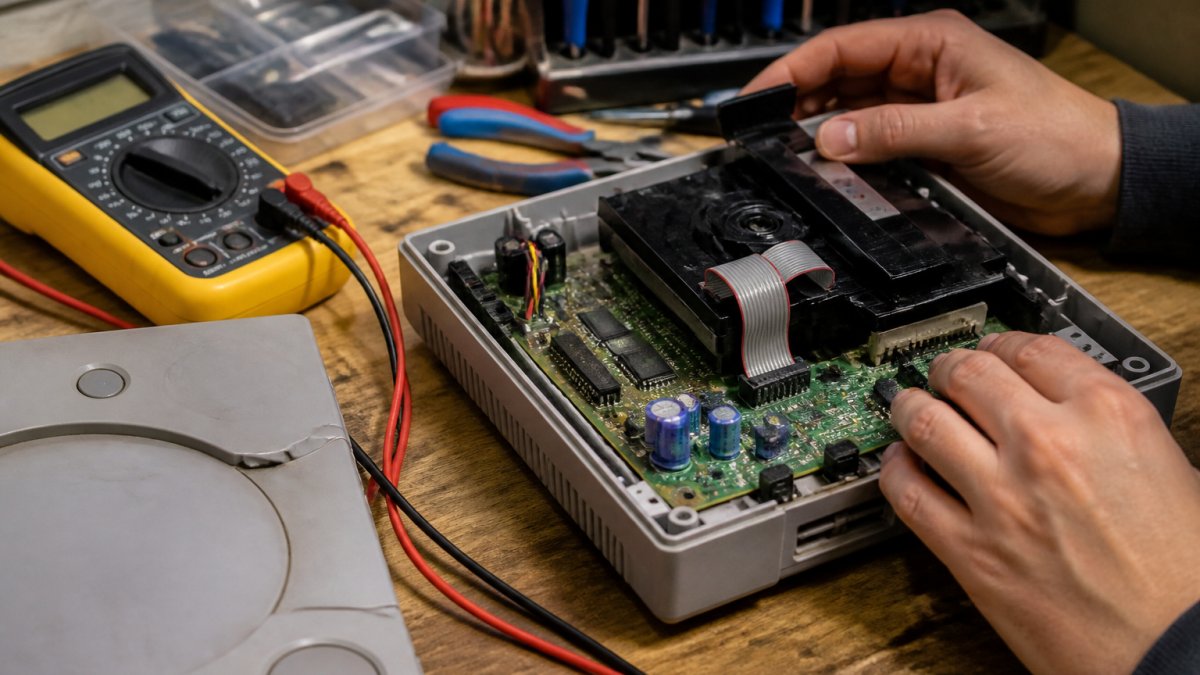
For a deeper breakdown of what's typically included, see what is covered by console warranties.
Here's where generic warranty content falls apart. Most protection plans were drafted with modern consoles in mind, where the dominant risks are manufacturing defects and accidental damage. Retro hardware fails differently, and if a plan's language doesn't account for these patterns, you can end up holding a policy that looks broad but pays out on almost nothing you'll actually experience.
The failure modes we see most often on the bench:
This is the heart of any plan. Mechanical and electrical failure coverage handles component breakdowns that happen through normal use: a power supply unit that stops delivering clean voltage, an optical drive that quits reading discs, a capacitor that finally vents.
On retro hardware, these failures are common. The question to ask is whether the plan treats age-related component failure as a covered defect or as pre-existing wear and tear. Those are very different answers, and the wording is usually buried in the exclusions rather than the coverage summary.
Accidental damage from handling is a separate add-on on most plans, and liquid damage is often excluded entirely or capped. If your plan advertises accidental damage protection, read the fine print on what counts. A controller yanked off a shelf during a heated Mario Kart round is different from a console knocked off a table.
Our advice: if you have kids or pets near your setup, accidental coverage matters. If your retro rig lives in a climate-controlled cabinet, it's less critical.
A retro console warranty length of one year is the practical baseline.
Think about term length against how you actually play. A console you fire up weekly for a few hours sees far less stress than one running marathon sessions.
Watch out: some plans start the clock on the purchase date rather than the delivery date, which quietly shaves days off your coverage before the box even lands on your porch.
Here is the practical guidance on warranty length and usage the article lays out.
| Item | Value | Note |
|---|---|---|
| Practical baseline term | One year | Shorter leaves you exposed when refurbished hardware reveals a weak component |
| Longer terms | Priced to reflect the risk | Premium climbs fast on aging electronics |
| Usage match | Weekly few hours vs marathon sessions | Match coverage period to usage, not the longest plan |
| Clock start | Purchase date vs delivery date | Purchase-date start quietly shaves days off coverage |
Console warranty exclusions are where retro buyers get burned. The coverage sounds broad until you read the list of what's not covered, and that list is often written with modern devices in mind.
Common exclusions to check for:
A DIY repair attempt can void many warranty plans. If you plan to make repairs yourself, check the warranty terms first.
Shop by Popular Retro Systems →
Other triggers we see:
Refurbished and pre-owned consoles are typically covered only if the seller's warranty explicitly says so. Check the seller's warranty terms before you buy.
If you're weighing a refurbished purchase, read up on how to buy a refurbished retro console with warranty and what console refurbishment actually includes.
DIY repair and warranty rarely coexist. The moment you solder a new capacitor in yourself, most plans walk away.
Best for: buyers who want a tested unit and a written promise behind it. Skip if: you plan to mod or repair the console yourself from day one.
Filing a console warranty claim goes smoothly when you've kept your paperwork and documented the fault before touching the hardware.
Before you file, verify the refurbished console's quality and documentation so your claim stands on solid ground. How to verify refurbished console quality walks through what to check.
A simple claim checklist:
Watch out: shipping a console in a padded envelope instead of its original box is a fast way to turn a covered repair into a disputed one.
Extended warranties have a reputation problem for good reason. Consumer advocates have long argued these plans are highly profitable for sellers and often poor value for buyers. That doesn't make all coverage worthless.
Run the numbers on total cost of ownership:
If you're comparing refurbished versus original hardware, factor warranty value into that decision. Refurbished vs original retro consoles breaks down the trade-offs.
Peace of mind shouldn't require a law degree to understand.
The challenge with retro hardware is simple: you want to play the games you grew up with, and you don't want to gamble on whether the console survives the year.
We sell refurbished systems, from the NES and Sega to the PlayStation, with free shipping on orders over $50 and worldwide shipping. Our Video Game Console Repair Services and Game Cartridge Battery Replacement Service can help if a fault falls outside your warranty.
Get started with Retro Gaming of Denver and pick up a classic console that comes with a warranty worth reading.
It depends on the plan and the console. Vintage hardware has real failure points: dried capacitors, worn power supply units, failing optical drives, and controller drift on aging analog sticks. A plan that covers mechanical breakdown and electrical failure for a reasonable term can save you from a repair bill you did not budget for. Read the exclusions first, though. Plans that exclude wear and tear or require you to ship the console at your own cost often deliver less than they promise.
A retro console warranty length of at least one year is a reasonable benchmark for refurbished hardware. That window covers the period when refurbishment issues tend to surface, such as a reflowed solder joint or a replacement power supply failing early. Shorter terms shift the risk back to you. Longer terms are a bonus, but check whether the coverage is prorated and whether the plan is transferable if you sell the console later.
Many do not, or they cover them for a shorter period than the console itself. Controllers take the most abuse: stick drift, worn membranes, frayed cables. Before you buy, confirm whether the plan lists controllers, power supplies, and AV cables as covered items or as exclusions. If accessories are excluded, factor replacement cost into your total cost of ownership. Some shops also sell separate controller repair or refurbishment, which can fill the gap.
Check four things: what does a console warranty cover (mechanical, electrical, accidental damage), the deductible and service fee per claim, whether repairs go through an authorized repair center or mail-in service, and the exclusions list. Also confirm how to file a console warranty claim and how long the process takes. A plan with generous coverage but a slow, paperwork-heavy claim process is not peace of mind. Ask for the terms in writing before you pay.


{"one"=>"Select 2 or 3 items to compare", "other"=>"{{ count }} of 3 items selected"}

Leave a comment