🔏 Safe and Secure Checkout | 🔄 Easy Returns within 30 days | 📜 Free 1 Year Warranty on all Refurbished Gaming Consoles | 👮🏿 💒 Service Member, Government Worker, EMS & Teacher Discount Up To 20%👩⚕️ 🏥 | 📦🏷️✈️ Free U.S Shipping on Orders over $50 - DAILY WORLDWIDE SHIPPING 📦🏷️✈️
Console warranties are written promises from a seller or maker to fix or replace your hardware if it fails for reasons you didn't cause. That's the short version. The long version matters more, because "covered" means very different things depending on who's holding the paper.
The extended warranty market hit an estimated USD 134.25 billion in 2026, according to Business Research Insights market valuation, and it's projected to nearly double to USD 346.5 billion by 2033 per Grand View Research's market report. That tells you something: people are buying protection plans in record numbers. Whether those plans actually protect anything is a separate question.
At Retro Gaming of Denver, we've handled enough warranty conversations to know where the confusion starts. Most folks assume a warranty covers "anything that goes wrong." It doesn't. It covers specific failures, for a specific window, under specific conditions.
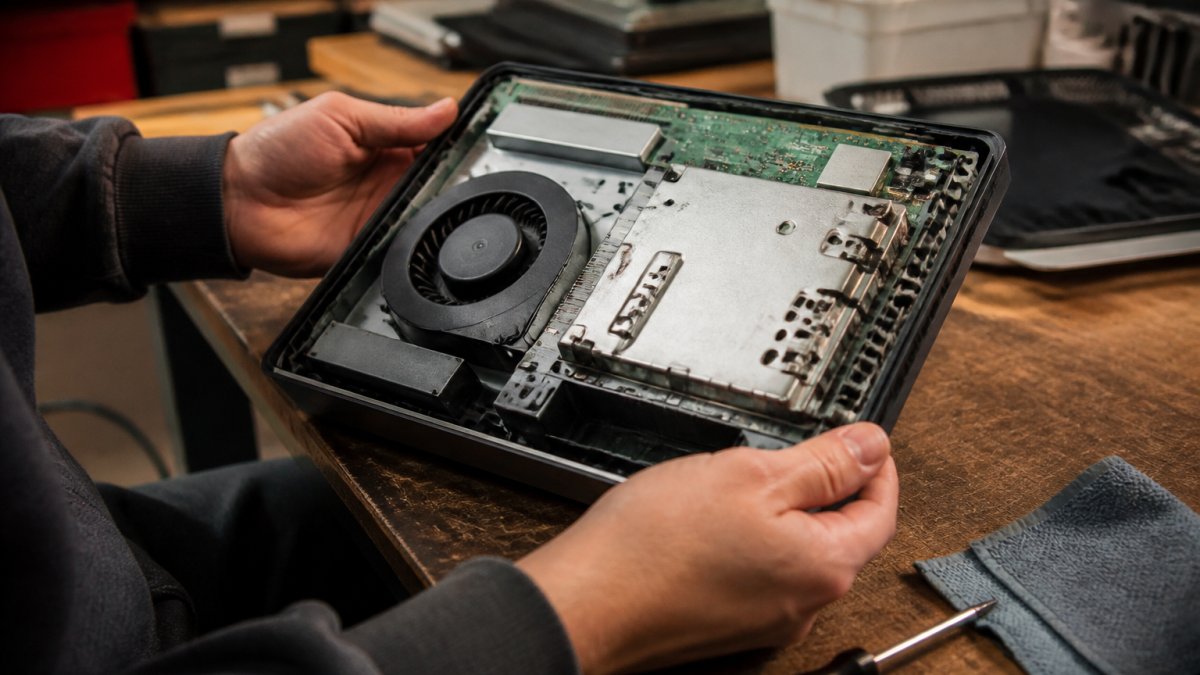
Close-up of hands holding an open gaming console with visible internal components, a screwdriver and cleaning cloth nearby on a workbench, warm workshop lighting
Manufacturer Defects and Hardware Failures
The core of any console warranty is the manufacturer defect: a flaw that existed when the system left the factory. Think failing capacitors, a dead disc drive, a GPU that cooks itself, or a power supply that quits after three weeks.
Hardware failures not caused by you: covered under most manufacturer warranties
Defective components that fail early: covered, usually within the first 90 days to a year
Firmware and software update support: increasingly bundled into manufacturer plans, as PlayStation's legal documentation confirms for its own service agreements
Accidental damage, liquid spills, drops: almost never covered by a standard manufacturer warranty
That last point trips people up constantly. Drop your Switch in a puddle and you're on your own unless you bought a plan that explicitly includes accidental damage.
Common Console Warranty Exclusions to Watch For
This is where console warranties get sneaky, and where most buyers get burned. The exclusions list is usually longer than the coverage list, and it's written in language designed to be skimmed.
Here's what typically voids or falls outside coverage:
Physical damage from drops, cracks, or crushed casings
Liquid damage from spills, humidity, or condensation
Unauthorized repairs done by you or a third party
Modifications: opening the shell, swapping drives, or installing aftermarket parts
Normal wear: worn thumbsticks, scratched screens, dead batteries
Cosmetic damage that doesn't affect function
Damage from power surges or using a non-approved power supply
Watch OutOpening your console to "just take a look" can void the warranty instantly. Manufacturers look for broken tamper seals and stripped screws. If you're curious about what's inside, let a repair shop handle it.
Some plans are expanding, though. Coverage is moving beyond basic mechanical failure to include accidental damage, theft, and power-surge protection, according to National General's coverage overview. Read the fine print on whatever plan you're considering, because the gap between plans is wide.
Gaming Console Warranty Length: How Long Does Coverage Last?
Gaming console warranty length depends entirely on who's selling and whether the hardware is new or refurbished. There's no universal standard.
New consoles from major manufacturers typically carry a 12-month limited warranty covering manufacturer defects. Refurbished units from local retailers often land somewhere between 30 and 90 days, based on retailer-reported warranty terms. That's a big drop-off, and it's the number one reason buyers ask us what happens after day 91.
Console Type
Typical Coverage Window
What's Usually Covered
New, major brand
12 months
Manufacturer defects, hardware failure
Refurbished, local shop
30-90 days
Defects present at purchase
Refurbished, extended plan
12 months+
Defects, sometimes accidental damage
Used, private sale
None, as-is
Nothing
The lesson: length isn't everything. A 90-day warranty from a shop that actually honors claims beats a 12-month plan from a company that dodges your emails.
Key TakeawayThe warranty is only as good as the business standing behind it. A short window with a responsive seller is worth more than a long window with a ghost.
Refurbished Console Warranty: What to Expect
A refurbished console warranty covers a unit that was previously owned, repaired, and resold. The quality of that warranty varies wildly, and it comes down to one thing: how thorough the refurbishment actually was.
Some sellers wipe a console down and call it refurbished. Others replace capacitors, reflow solder joints, swap out failing disc drives, and test every port. The warranty reflects which camp the seller is in. Scrutinizing the specific refurbished device warranty terms provides the necessary clarity to distinguish between superficial cleaning and genuine technical restoration.
Real refurbishment means new thermal paste, cleaned boards, tested controllers, and a bench-tested power supply
A real warranty means the seller will fix or replace it if a covered failure happens
A red flag is any seller who won't put their coverage terms in writing before you buy
We back our refurbished consoles with a 1-year warranty because we stand behind the work.
How to Claim a Console Warranty Without the Headache
Claiming a console warranty comes down to three things: proof of purchase, a clear description of the failure, and patience. Sellers deny claims most often when buyers can't show when or where they bought the unit.
Here's the process that actually works:
Find your receipt or order confirmation. No proof of purchase, no claim.
Document the failure. Photos, video, a clear description of what stopped working.
Contact the seller first, not the manufacturer, if you bought refurbished.
Don't attempt repairs yourself. That voids coverage fast.
Keep the original packaging if you still have it. It makes shipping back easier.
Follow up in writing. Email creates a paper trail; phone calls don't.
If a seller stalls, ask for the claim in writing and reference their stated warranty terms. Most legitimate shops move quickly once you're organized.
How to Keep Your Console Warranty Valid
Keeping your console warranty valid is mostly about not doing things that void it. The rules are simple, and they're the same across nearly every plan.
Don't open the shell. Tamper seals exist for a reason.
Use the approved power supply. Cheap third-party bricks cause damage that isn't covered.
Keep it cool and dust-free. Overheating from blocked vents looks like neglect.
Avoid liquid near the console. One spilled soda ends the conversation.
Save your receipt. Digital copies count; screenshots work.
Register the product if the manufacturer offers it.
Pro TipIf your console starts acting up, stop using it immediately and contact the seller. Continuing to run a failing system can turn a covered defect into "damage from continued use," which is a common denial reason.
One more thing worth knowing: some experts argue extended warranties aren't worth it for most buyers, since standard manufacturer coverage already handles the most likely failures, per Arekore Shop's warranty analysis. That's fair for new consoles. For refurbished retro hardware, though, coverage is the whole point.
What does a gaming console warranty usually cover?
Most console warranties cover manufacturing defects and hardware failures that happen during normal use. This includes things like a console that won't power on, faulty disc drives, or internal component failures not caused by the user. Some plans go further and include accidental damage or power-surge protection. Manufacturer warranties from brands like PlayStation also cover firmware and system software update support. Always read the specific terms, because what is covered by console warranties varies by brand and retailer.
Are accidental drops covered by a console warranty?
Standard manufacturer warranties typically do not cover accidental drops, liquid damage, or physical damage from mishandling. Those fall under console warranty exclusions. However, some extended warranty plans and specialized insurance products do include accidental damage coverage. For example, one insurance provider offered a console plan with liquid damage coverage. If drop protection matters to you, look for a plan that explicitly lists accidental damage as covered.
How long does a gaming console warranty last?
Manufacturer warranties for new consoles usually run 12 months from the purchase date. Refurbished consoles from local retailers typically range from 30 days to 90 days, though some sellers offer longer coverage. For example, Retro Gaming of Denver backs refurbished consoles with a 1-year warranty. Extended warranty plans can stretch coverage to 2 or 3 years. Gaming console warranty length depends entirely on the seller and whether you buy new, refurbished, or used.
What can void a gaming console warranty?
Common reasons a console warranty gets voided include opening the console yourself, attempting repairs without authorization, physical damage from drops or spills, and using unapproved accessories that cause electrical damage. Modifying the hardware or installing unauthorized firmware can also void coverage. To keep your warranty valid, avoid opening the shell, use official or reputable third-party accessories, and contact the seller before attempting any fixes. If you need repairs, check whether the seller offers authorized service.
Buying a refurbished console is a gamble if you don't know who's standing behind it. At Retro Gaming of Denver, every refurbished system comes with a 1-year warranty, free shipping on orders over $50, and a team that actually answers when something goes wrong. We also offer repair, cleaning, and battery replacement services to keep your classics running long after the coverage window closes. Get started with Retro Gaming of Denver and game like it's 1985 again.




Leave a comment